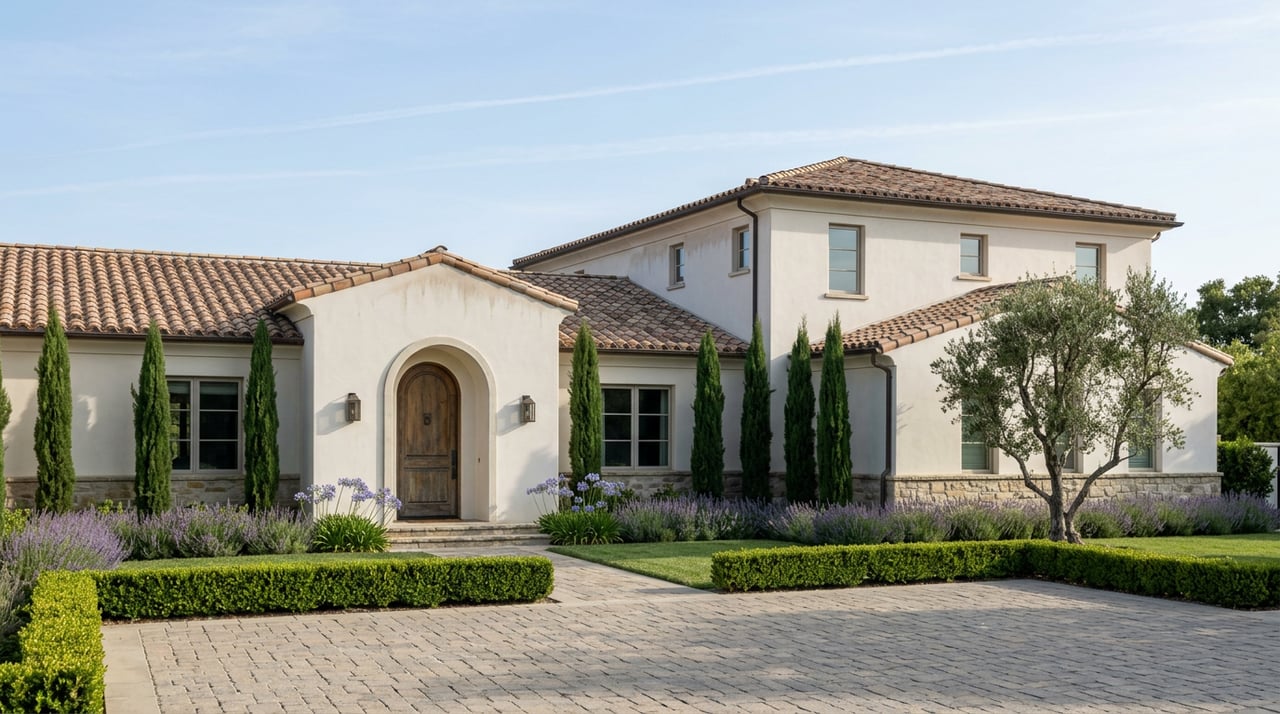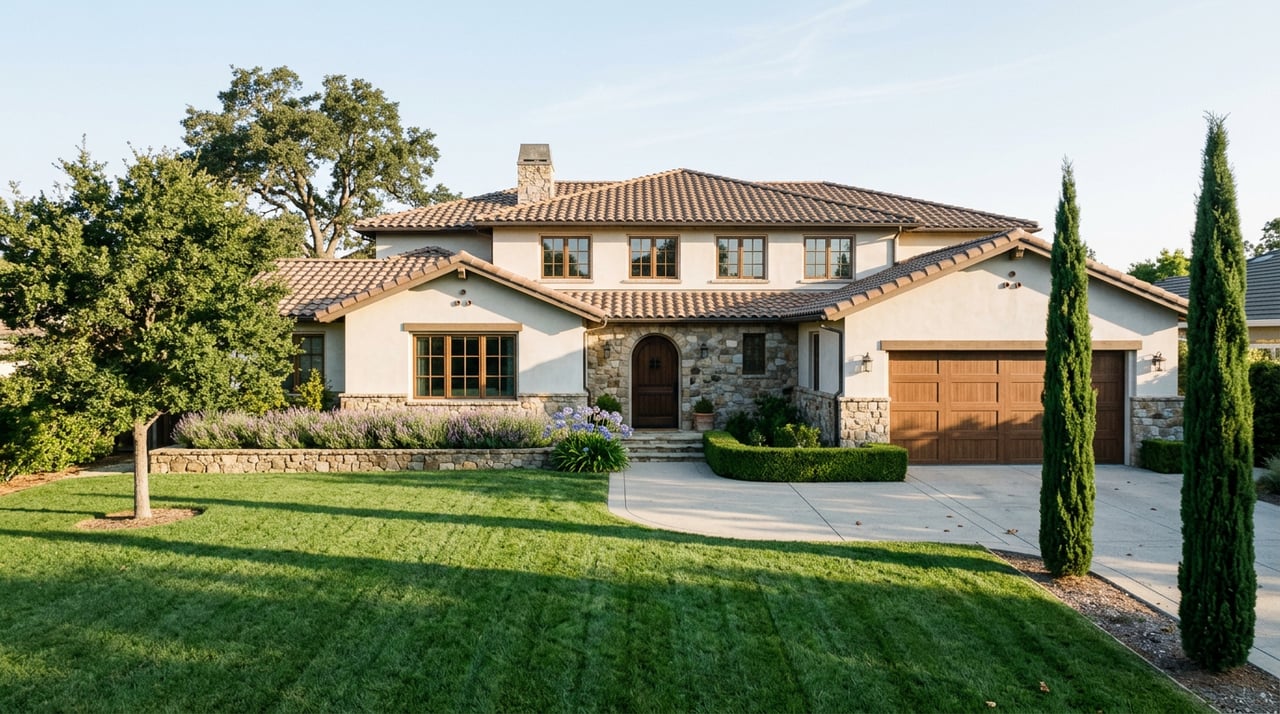
Two lots on the same Alamo street can look identical on paper. Same acreage, same era of construction, same price range on the comps sheet. One sits on public sewer. The other still runs on a private septic system installed decades before anyone thought to ask what happens when a buyer wants to add a bathroom, finish a basement, or build a backyard unit for rental income. On paper, that difference reads like a footnote. In practice, it can decide whether your renovation budget survives contact with the county.
Most buyers treat septic status as a maintenance question: does the tank work, when was it last pumped, how much does an inspection cost. Those are fair questions, but they miss the mechanism that actually catches people off guard in Alamo. Contra Costa Environmental Health, the agency that governs septic systems countywide, can require a property to connect to public sewer even when the septic system is working fine, if that property sits within 300 feet of an existing Central San sewer main and the owner plans a substantial improvement to the home. The trigger isn't failure. It's ambition.
The Rule Buyers Don't Ask About
Alamo is unincorporated, governed by Contra Costa County rather than its own city hall, and zoned largely R-20 and R-40, which is county shorthand for large residential lots, many running a half acre or more. That combination of large parcels and county-level oversight means a meaningful number of older estates, particularly on the Westside and in the foothill pockets, were built on septic before sewer lines ever reached the street. Central San, the district that treats wastewater for Alamo and the surrounding central county communities, has since run mains past many of those same properties. The house never had to connect. Nobody made it.
Until someone plans something big enough to count as a substantial improvement. Central San's own guidance on septic conversions states plainly that a property within 300 feet of an existing sewer may be required to connect "when your existing system fails or if you are planning substantial improvements to your home." That second clause is the one worth sitting with. It means a perfectly functional septic system offers no protection once you pull a permit for a major addition. The county doesn't wait for the tank to fail. It reacts to your plans.
What Counts as "Substantial"
The county makes that determination case by case rather than publishing a fixed checklist, which is its own kind of friction. But the projects most likely to draw scrutiny in Alamo right now share a common thread: they add bedrooms, bathrooms, or living space that increases the load a septic system has to handle. In practice, that tends to include:
- A significant addition or second story that adds bedrooms or bathrooms
- A whole-house remodel that increases fixture count
- An accessory dwelling unit, which has become one of the more common projects on Alamo's larger lots
That last one deserves its own paragraph, because it sits at the exact intersection of what Alamo buyers want and what the county controls. On a lot already connected to public sewer, adding an ADU means paying Central San's capacity fee, calculated at $3.63 per square foot and capped at 1,200 square feet, so a typical 800-square-foot unit runs under $3,000 in that specific fee. On a septic lot, the math changes entirely. County health officer approval has to confirm the existing system can absorb the additional flow before the ADU can be permitted at all. If it can't, the property owner is looking at a full septic-to-sewer conversion just to build the unit they wanted.
The Off-Ramp: Financing a Forced Conversion
This is where Central San's Septic to Sewer program becomes relevant to anyone evaluating an Alamo purchase, not just current owners. The district will finance up to $65,000 in conversion costs, covering permitting, capacity fees, construction, and proper abandonment of the old tank, repaid over 15 years through the Contra Costa County property tax roll rather than as a lump sum due at the permit counter. The rate resets every July 1. It sat at 5.61 percent the prior cycle and moved to 5.82 percent this cycle, so a buyer running the numbers today should confirm the current rate directly with Central San rather than assume the figure holds past next summer.
That financing structure matters because the alternative costs are not small. Central San's own fee schedule puts standard connection charges at $9,200 to $10,200 per residential unit depending on location, and Contra Costa Environmental Health charged $700 for a septic abandonment permit as of the last figure the district published, a number worth reconfirming since it may have shifted. Add site-specific construction, and a forced conversion can land well into the tens of thousands before a shovel touches the yard. The S2S program doesn't eliminate that cost. It turns an unplanned lump sum into a line item on the tax bill, which is a meaningfully different conversation to have mid-escrow or mid-remodel.
One more cost sits adjacent to this, worth flagging for anyone budgeting an ADU specifically: East Bay Municipal Utility District charges roughly $19,500 for a new water meter. That fee only applies if the project needs its own meter. An ADU served through the existing house meter avoids it entirely, which is one more reason the sewer question and the water question get evaluated together rather than in isolation.
What This Means at the Negotiating Table
Central San is direct about the resale consequence of all this, stating on its own site that septic properties are "less marketable at time of sale" compared to similar homes already on sewer, in part because septic can limit the ability to expand a house or build over portions of a lot. That's not a knock on any particular property. It's a straightforward description of how buyers and lenders tend to price a constraint they can't see from the street.
For a buyer, the practical move is simple: before writing an offer on an older Alamo property, ask whether the lot is within 300 feet of an existing Central San main and whether the seller has any record of prior CCEH correspondence about the system. If the answer is yes and yes, and your plans include an addition or an ADU, budget for the possibility of a triggered conversion rather than treating the septic system purely as a maintenance line item. For a seller, that same conversation can run in your favor. A property already positioned near a main, with a clear path to the S2S program, is an easier sell than one where the buyer has to discover the constraint on their own.
Questions Worth Asking Before You Write an Offer
How do I find out if a specific Alamo property is on septic or sewer? Central San's permit counter can confirm whether a parcel has an active sewer connection, and the county Environmental Health division can tell you whether it has any septic permit history on file.
Does a kitchen remodel count as a substantial improvement? There's no published bright line. CCEH evaluates on a case by case basis tied to fixture count and system capacity, so any project that adds plumbing fixtures is worth a call to the district before you finalize plans.
If I'm not planning to remodel, does any of this matter? It still affects resale. A septic system on a lot within reach of an existing main is a fact a future buyer's agent will surface, and Central San's own guidance acknowledges the marketability gap that comes with it.
Alamo's estate lots are part of what makes the town what it is, and most septic systems out there run fine for years without incident. The point isn't to treat septic as a red flag. It's to know, before you're three weeks into escrow, which question actually matters: not "does it work today," but "what happens the day I want to build something."
If you're comparing specific Alamo properties and want a straight read on what a listing's utility status means for your plans, Holman Stone has walked this exact conversation with buyers before. Reach out for a home valuation or a second set of eyes before you write the offer.